The Paycheck Budget Planner Journal for Financial Clarity
Managing money is a universal challenge, yet each person's financial landscape is uniquely shaped by their income, goals, and responsibilities. For many, a simple spreadsheet or a collection of notes can feel scattered or incomplete. The Paycheck Budget Planner Journal provides a structured, tangible space designed to bring order to personal finance. It functions as a dedicated log book and journal, helping users meticulously track income against expenses, savings goals, and spending habits directly aligned with their pay cycle. This systematic approach transforms budgeting from a vague intention into a clear, actionable plan.
A Tool Designed for Practicality
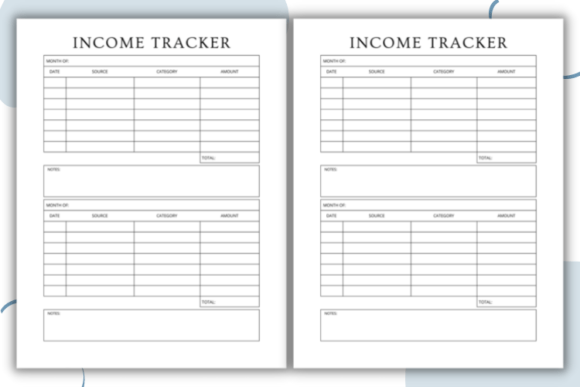
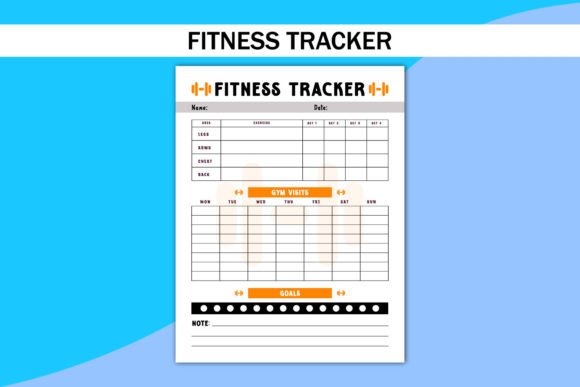
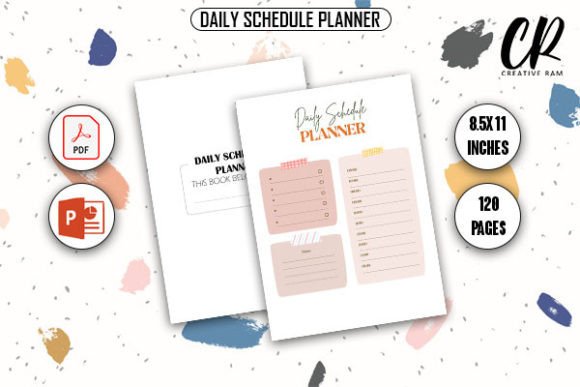
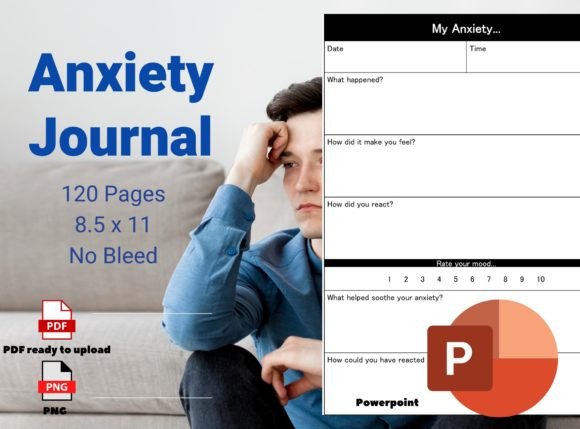
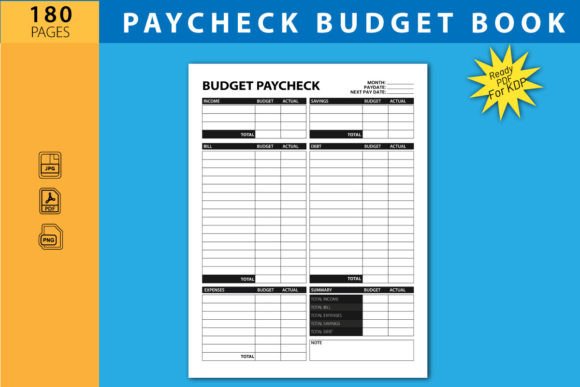
The Paycheck Budget Planner Journal is built with thoughtful consideration. The layout is enriched with relevant points and designated spaces to guide your entries, ensuring you capture all necessary details without feeling overwhelmed. Its physical specifications—8.5 inches by 11 inches—offer ample space for writing, resembling a standard notebook that feels familiar and usable. With 180 pages, it provides a substantial volume for long-term tracking, whether that's for a few months or a full year. For digital users, the journal is also available as a high-quality PDF and includes 360 individual, 300 dpi JPG and PNG files, making it adaptable for on-screen use or for creators who wish to incorporate elements into other projects.
Why Different Audiences Care
The value of a structured budgeting tool like the Paycheck Budget Planner Journal isn't monolithic. It resonates differently depending on one's life stage, profession, and financial objectives.
For a beginner just starting to take control of their finances, the journal's guided spaces are a lifeline. It reduces the anxiety of "what to track" and provides a clear starting framework. A young professional might use it to understand their cash flow after student loans, rent, and new career expenses, finding its monthly or bi-weekly paycheck alignment crucial for avoiding overdrafts.
An experienced budgeter or financial enthusiast might evaluate it differently. They may prioritize its flexibility and quality. The high-resolution digital files allow for custom digital spreadsheets or printed binders, adapting the core structure to their more advanced systems. For them, the long-term usefulness and reliability of the format—the consistent 180-page count and clean layout—are key benefits.
Creators, Professionals, and Business Applications
This journal extends beyond personal use. For creators, entrepreneurs, and small business owners, the commercial value and presentation matter. A freelancer could use the PDF to track multiple client payments and project-related expenses, creating a clear record for tax season. The separate, high-quality image files (JPG/PNG) are particularly useful for graphic designers or bloggers who might integrate the journal's page designs into financial planning guides, eBooks, or printable product bundles for their own audience.
Educators teaching personal finance or life skills might see its learning value. The journal can serve as a practical workbook for students, providing a hands-on method to apply budgeting theory. Its clear structure supports lesson plans and gives students a tangible outcome for their coursework.
Hobbyists, such as someone managing a household craft business or a side project, might appreciate the ease of use. It offers a dedicated space to separate hobby income and costs from personal finances without needing complex accounting software. The focus on the paycheck cycle helps them see if their passion project is sustainable.
Aligning the Tool with Your Own Goals
Identifying whether the Paycheck Budget Planner Journal matches your needs involves considering a few core priorities. If your primary need is ease of use and a gentle introduction to budgeting, the pre-structured format is a significant advantage. If cost and accessibility are concerns, the digital formats offer an immediate, reusable solution. For those who value quality and presentation—perhaps for professional record-keeping or client-facing materials—the high-resolution digital assets provide that premium feel.
Consider your project type. Is this for personal, household finance over a year? The 180-page physical log is ideal. Are you developing a financial planning product or need customizable templates? The 360 PNG/JPG files offer immense flexibility. Are you a visual person who prefers handwriting insights? The journal's layout encourages that reflective "jotting down" of accounts, making it more than just a ledger.
Practical Examples Across Use Cases
A marketer working with variable commission pay might use the journal to plot income peaks and troughs against fixed bills, using the spaces to note which campaigns led to higher pay periods. A consumer focused on debt repayment could dedicate pages to tracking shrinking loan balances alongside each paycheck deduction, visualizing progress. A publisher might utilize the image files to create a themed budgeting journal series for a niche audience, adding custom graphics while leveraging the proven structure.
Ultimately, the Paycheck Budget Planner Log Book Journal serves as a neutral framework. Its effectiveness depends on how you, the user, fill it with your specific financial reality. It doesn't promise to solve your money challenges but provides a consistent, clear, and adaptable space for you to solve them yourself. Whether you are scribbling quick notes or maintaining a meticulous financial diary, it accommodates the process. The act of regularly engaging with your finances—"Happy Jotting Down Accounts"—builds awareness and control, which is the foundation of any sound financial journey, regardless of where you start.