A Practical Guide to Using Daily Meal Planner KDP Interiors
For anyone exploring self-publishing on Amazon Kindle Direct Publishing (KDP), the market for low-content and no-content books presents a significant opportunity. Journals, planners, logbooks, and diaries are consistently popular categories. Within this space, pre-designed, ready-to-use interiors like the Daily Meal Planner - KDP Interior can streamline the publishing process. Understanding what this product entails, its distinct advantages, and where it might fit within a broader publishing strategy is crucial for authors and entrepreneurs looking to build a sustainable KDP business.
What Is a Daily Meal Planner KDP Interior?
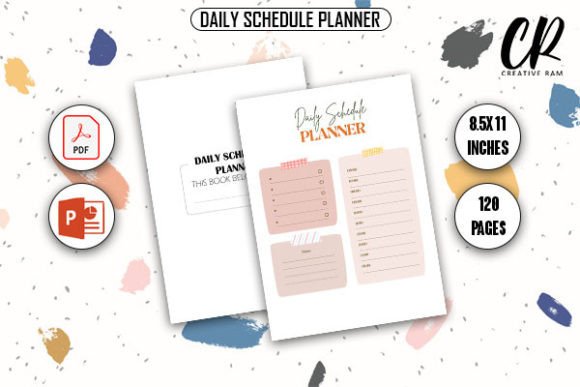
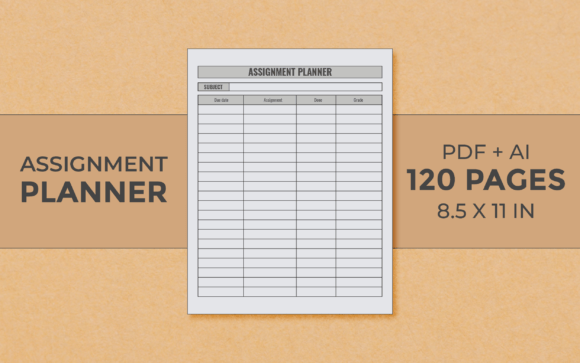
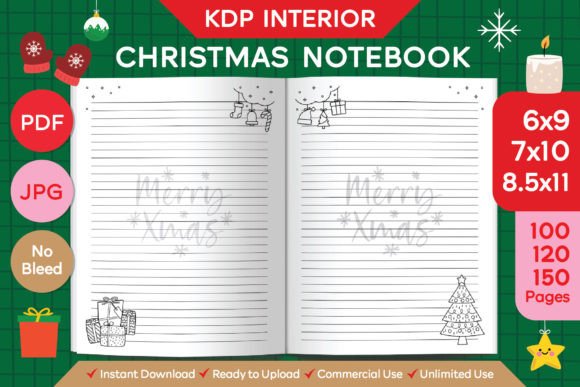
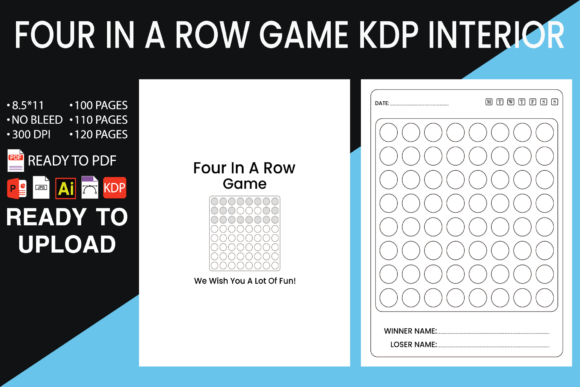
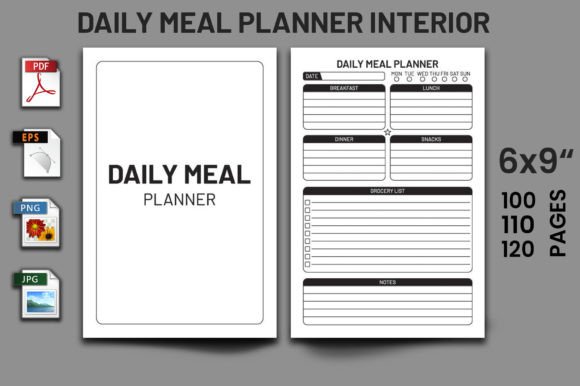
At its core, a Daily Meal Planner - KDP Interior is a complete, pre-formatted digital file designed to be the inside pages of a physical book. It is not the cover or the marketing copy; it is the functional content that a user will interact with. This specific interior is structured around meal planning, typically providing templates for logging daily meals, nutritional notes, grocery lists, or recipe ideas. The key distinction of products like this is that they are fully tested and formatted specifically for Amazon's KDP platform. They come as a package, often including multiple file formats—such as PDF, EPS, PNG, JPG, and source Adobe Illustrator files—ensuring they are editable, resizable, and ready for immediate upload and printing.
The "100 tested on Amazon KDP" specification indicates that the file dimensions, margins, and layout have been validated against KDP's technical requirements for a trim size of 6"x9", eliminating common formatting errors that can delay publication. The inclusion of vector files is a significant feature, as it means the design is based on mathematical paths rather than fixed pixels. This allows a user to resize the interior to other standard trim sizes (like 8.5"x11" or 5"x8") without any loss in quality or clarity, offering flexibility beyond the initial 6"x9" specification.
Evaluating the Strengths and Tradeoffs
Using a pre-made Daily Meal Planner - KDP Interior offers several clear advantages for publishers. The primary benefit is efficiency. Creating a professionally formatted, print-ready interior from scratch requires considerable design skill and knowledge of KDP's intricate bleed, margin, and gutter specifications. This product removes that technical hurdle, allowing a publisher to focus on cover design, marketing, and business strategy. The guarantee that the file is "ready for upload" saves time and reduces the risk of a listing being rejected for formatting issues.
Another strength is the built-in customization potential through the provision of source files. While the interior is "ready for printing," having access to Adobe Illustrator EPS files means a publisher with basic design software can modify colors, fonts, or minor layout elements to create a unique variation without redesigning the entire structure. This bridges the gap between a completely generic template and a fully custom-designed book.
Considerations and Potential Limitations
However, there are inherent tradeoffs to consider. The most obvious is the lack of exclusivity. Since the interior is sold as a commercial product, other KDP publishers can purchase and use the same template. This can lead to multiple books on the Amazon marketplace with identical interiors, differing only in cover design and title. For a publisher aiming to build a brand with a truly distinctive product line, this might be a significant limitation.
The structure is also fixed around a specific function—daily meal planning. While the vector format allows resizing, the core layout and page design are optimized for that use case. It may not be easily adaptable into a weekly planner, a fitness tracker, or a different type of logbook without substantial redesign work. Furthermore, the "no bleed" feature is a practical choice for simplicity, but it also means the design cannot incorporate full-color background images that extend to the edge of the page, which might be a stylistic preference for some publishers.
Comparing Approaches to KDP Interior Creation
When evaluating resources for KDP publishing, it's helpful to view options like the Daily Meal Planner - KDP Interior within a spectrum of approaches. On one end is complete DIY design using software like Canva, Adobe InDesign, or even Microsoft Word. This offers maximum originality and control but demands high design competency and time investment. On the other end is using fully premade, uneditable PDF interiors that you simply upload with no customization possible. This is the fastest route but offers zero flexibility and higher risk of market saturation.
The Daily Meal Planner - KDP Interior sits in a pragmatic middle ground. It provides a tested, high-quality starting point with the option for resizing and editing. This approach is particularly well-suited for publishers who possess some basic graphic editing skills or are willing to learn, but who do not want to invest the hours required to build a complex 100-page layout from a blank canvas. It is also a strong fit for those testing the market or aiming to rapidly expand their catalog with a series of functional planners.
Identifying the Right Fit for Your Publishing Goals
Determining whether this type of product is the right choice depends heavily on your specific goals, resources, and timeline. A Daily Meal Planner - KDP Interior may be an excellent resource if you are entering the KDP space and want a quick, low-risk way to understand the upload and publishing process with a professionally formatted product. It is also advantageous if you plan to publish multiple variations—for instance, a meal planner for weight loss, a meal planner for athletes, and a meal planner for families—by using the same core editable interior with different cover designs and tailored titles.
Conversely, if your primary goal is to create a one-of-a-kind, highly branded journal that stands out in a crowded niche, investing in custom design or commissioning a unique interior from a graphic designer might yield a better long-term result. Similarly, if you have no intention of customizing the interior and seek only the absolute fastest path to publication, a simpler, fixed PDF interior could suffice, though you must accept its limitations in size and uniqueness.
Practical Examples in Use
Consider a publisher who has identified a demand for meal planners among busy parents. They purchase the Daily Meal Planner - KDP Interior. Using the vector files, they resize the interior to a 8"x10" trim size, which they feel is better for a kitchen counter. They then use the source files to change the accent color from blue to a warmer orange and add a subtle "Family Meals" header on each page. They combine this with a custom-designed cover featuring family-oriented imagery. This process leverages the efficiency of the pre-made interior while adding enough customization to create a product that feels targeted and distinct.
Another publisher might use the interior exactly as provided—the 6"x9" PDF—and pair it with a striking cover they designed themselves. Their strategy is volume: publishing this meal planner alongside a daily gratitude journal and a workout log, all using different but similarly efficient premade interiors. Their goal is to quickly establish a portfolio of functional books to test market response and optimize their marketing tactics, rather than to achieve deep customization on each title initially.
Making an Informed Decision on Resources
The decision to use a Daily Meal Planner - KDP Interior, or any similar pre-formatted product, should be based on a clear assessment of your own skills, business model, and quality expectations. Key factors include your design proficiency, your available time, your desire for product differentiation, and your willingness to potentially operate in a market with similar-looking books. These interiors are tools—they reduce technical barriers and accelerate production. Their value is maximized when they align with a publisher's tactical needs for speed and flexibility, especially in the early stages of building a KDP catalog or when expanding into a new sub-niche like meal planning.
Ultimately, products like the Daily Meal Planner - KDP Interior democratize aspects of self-publishing, allowing individuals without advanced design backgrounds to participate in the low-content book market. By understanding its distinct features—the KDP testing, the vector editability, the functional specificity—and weighing them against the tradeoffs of less originality, publishers can make a more informed, strategic choice about the resources that will best support their publishing journey on Amazon.